“Joseph, Justin and Robert were very professional and honest. If I could give them 10 stars I would. Outstanding job - left the house clean and fresh.”
New Braunfels, TX
Hardwired, interconnected - when one trips, they all sound. Battery-only detectors have batteries that die. Hardwired units don't have that problem.
Thanks for reaching out. We've got your request and we'll be in touch shortly, usually the same day. Need us right now? Call (830) 587-5790 - we're open 24/7.
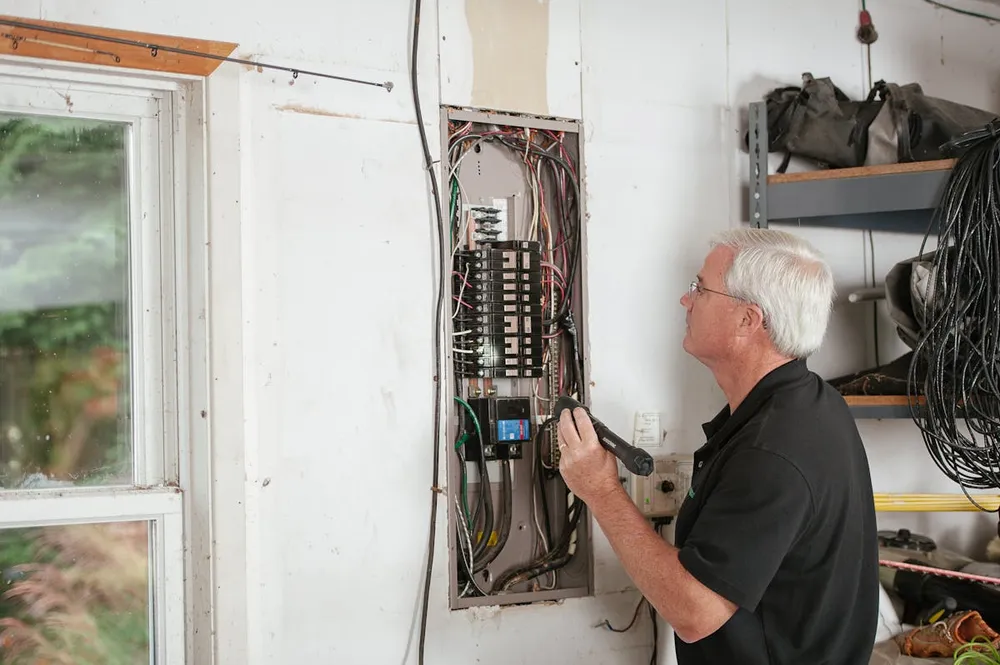 Texas code compliant
Hardwired, interconnected detectors mean the bedroom alarm goes off when the fire starts in the kitchen. Battery-only units go quiet when the batteries die.
We’re your HVAC and electrical contractor both - so we can inspect the furnace, water heater, and generator that produce the CO in the first place.
Call (830) 587-5790After Winter Storm Uri, Justin got called to a job in Bulverde where a family had been running a 5,500-watt portable generator inside a closed garage during the outages. No CO detector in the house. The generator was venting directly into the structure. He installed hardwired interconnected CO detectors throughout the house and explained the 15-foot rule for generator placement. They sent a Christmas card that year. Justin keeps it on the workbench.
120V hardwired with battery backup. When one alarm sounds, they all sound. Per NFPA 72, smoke detectors must be replaced every 10 years. If you don't know how old yours are, check the manufacture date printed on the back - not when you hung it on the wall.
One unit, dual protection, distinct alarm tones so you know which threat you're dealing with. Smart versions like the Nest Protect connect to your phone and send alerts when you're not home. Best value if you're doing a full installation - fewer units, same coverage.
Electrochemical sensor - the most accurate type available. CO detectors have a 5-7 year lifespan and must be placed near sleeping areas and within 10 feet of gas appliances. If you have a gas furnace, water heater, or attached garage, Texas law requires CO detection.
| Type | Best For | False Alarm Risk |
|---|---|---|
| Ionization | Fast, flaming fires (kitchen, curtains) | Higher near cooking |
| Photoelectric | Slow, smoldering fires (electrical, furniture) | Lower near cooking |
| Dual-sensor | Both fire types - what we install by default | Lowest |
The USFA recommends dual-sensor units or installing both types. We install dual-sensor by default unless you specify otherwise.
CO is invisible and odorless. By the time symptoms show, you may not be able to get out. These are the six most common sources in Comal County homes:
Produces CO during every operation - including the routine weekly self-test that runs while you're asleep. Wind patterns can carry exhaust through vents and windows into living areas. If you have a generator, CO detection is not optional.
A cracked heat exchanger - the most common furnace failure we see - silently leaks CO into your air supply. Annual HVAC service catches this. Skip the tune-up and you skip the inspection that finds the crack.
Improperly vented or aging units build up CO in utility rooms and connected spaces. Water heaters don't announce when their venting degrades.
Running a vehicle in an attached garage - even briefly - produces CO that seeps through door gaps, vents, and shared walls into living areas. A CO detector inside the living space next to the garage entry is required code.
Older ranges and misused burners produce CO, especially in poorly ventilated kitchens. Keep a CO detector near the kitchen entry, not directly above the stove.
Blocked flues and improperly vented units can backdraft CO into living spaces. South Texas seasonal use means annual checks get skipped - flues accumulate debris over the off-season.
Texas Property Code requires smoke detectors in each bedroom, outside each sleeping area, and on each level of the home. New construction and permitted renovations require hardwired, interconnected detectors with battery backup - battery-only is not compliant for new work.
CO detectors are required in all Texas homes with gas appliances or attached garages, placed near sleeping areas and within 10 feet of gas appliances.
If you're selling your home, detectors are one of the first things Comal County home inspectors check. Wrong placement, expired units, or missing detectors flag the report and can delay closing.
| Location | Smoke | CO |
|---|---|---|
| Each bedroom | Ceiling or high wall inside room | Near sleeping area |
| Hallways outside bedrooms | Ceiling center, within 15 ft of bedrooms | Within 15 ft of bedrooms |
| Kitchen | At least 10 ft from stove | Near kitchen entry, not above stove |
| Garage entry | Inside garage near door | Inside living space next to entry |
| Utility/furnace room | Within 10 ft of gas water heater | Within 10 ft of furnace and water heater |
| Each floor level | Minimum one per level | Minimum one per level |
Every other electrician in New Braunfels installs the CO detector and leaves. Moorhead is your HVAC contractor and your electrician - which means we can actually inspect the gas furnace, water heater, and generator that produce the CO in the first place. One call, one visit, one flat-rate covering both the detector and the inspection of its source.
| Service | Notes | Price |
|---|---|---|
| Full home installation (smoke + CO) | All units, hardwired, interconnected | $450-$900 |
| Single detector replacement | Manufacture date verified, hardwired | $95-$175 |
| Smart detector installation | Nest Protect or First Alert Onelink, per unit | $175-$275 |
| Pre-sale safety inspection | Written documentation, realtor-ready | $149 flat |
| HVAC tune-up + CO inspection | Furnace heat exchanger check included | $99 flat |
All prices flat-rate, all-in, written and approved before work starts.
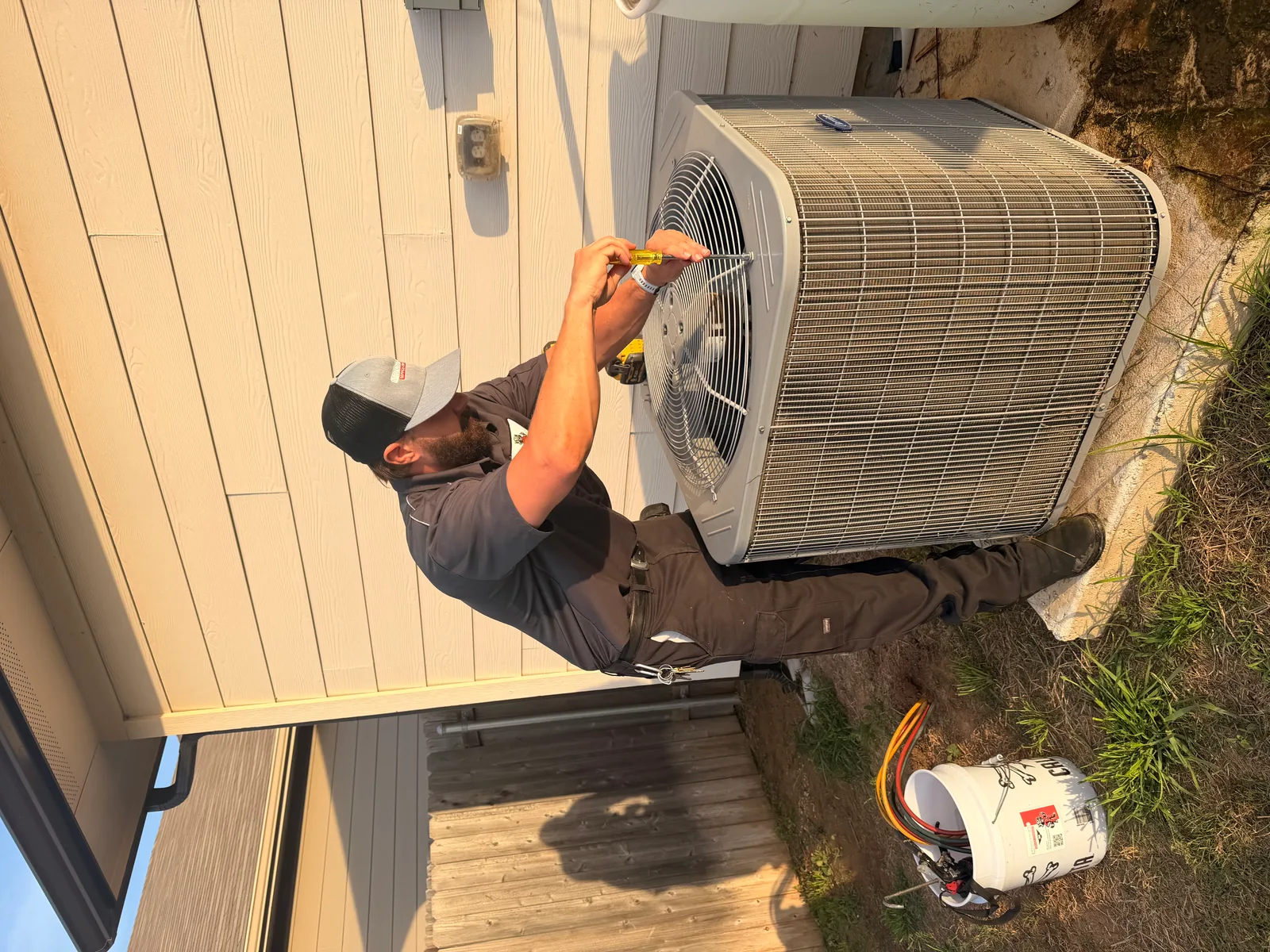
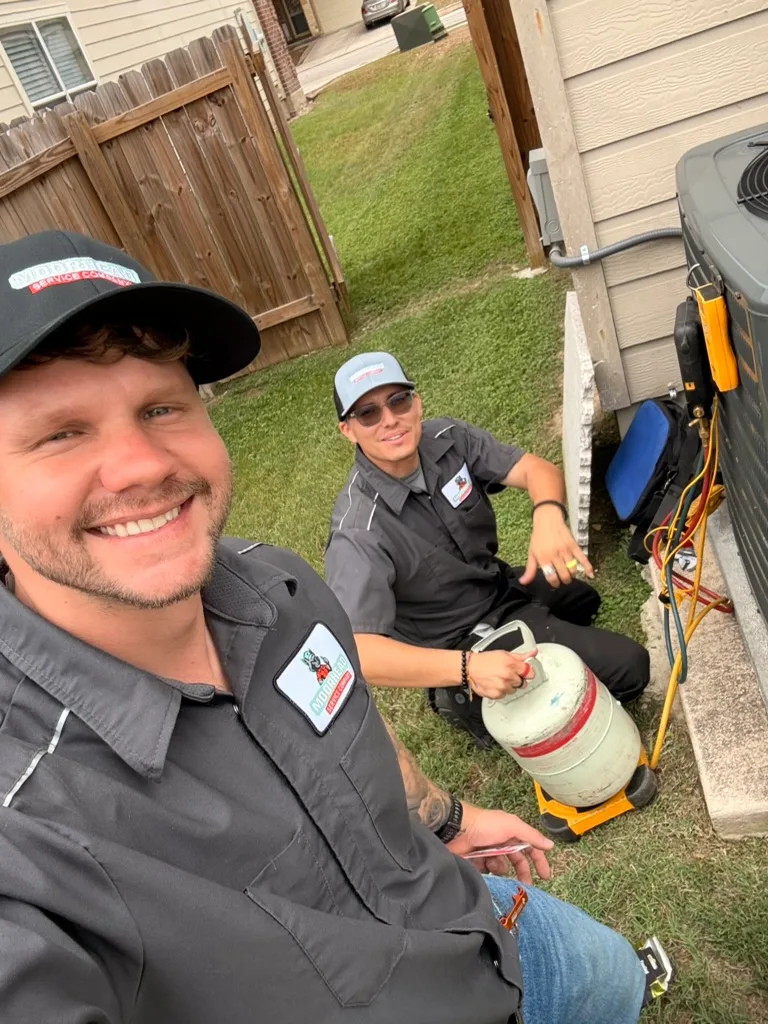

“Joseph, Justin and Robert were very professional and honest. If I could give them 10 stars I would. Outstanding job - left the house clean and fresh.”
“Moorhead came out same day when our AC quit in July. Fair price, zero upselling - the tech was super professional. These guys are the real deal.”
“Used Moorhead for a full electrical panel upgrade. Upfront about pricing, did the work cleanly, passed inspection first try. Will absolutely use them again.”
Tell us about the job and we'll get you a written, all-in price - flat-rate, with financing options if you want them. We quote everywhere in New Braunfels. Or call (830) 587-5790.
Thanks for reaching out. We've got your request and we'll be in touch shortly, usually the same day. Need us right now? Call (830) 587-5790 - we're open 24/7.
Hardwired, interconnected, code-compliant. We inspect the CO source and install the detector - one visit, one flat-rate.