Your air conditioner will not make you sick on its own - but a dirty, neglected one can. When mold, bacteria, dust, and allergens build up on the coils, drain pan, and filter, the system blows them through your house, and that is what triggers the congestion, coughing, sore throat, headaches, and worse allergies people usually write off as a summer cold.
The short version: it is not the air conditioning, it is what is living in it. And there are two opposite ways a system gets it wrong - a dirty one breeds mold and pushes allergens around, while one cranked too cold dries your sinuses out. The healthy middle is indoor humidity between about 30 and 50 percent, and clean equipment moving the air.
Six ways a dirty AC actually makes you sick
1. Mold and mildew on the coil and drain pan
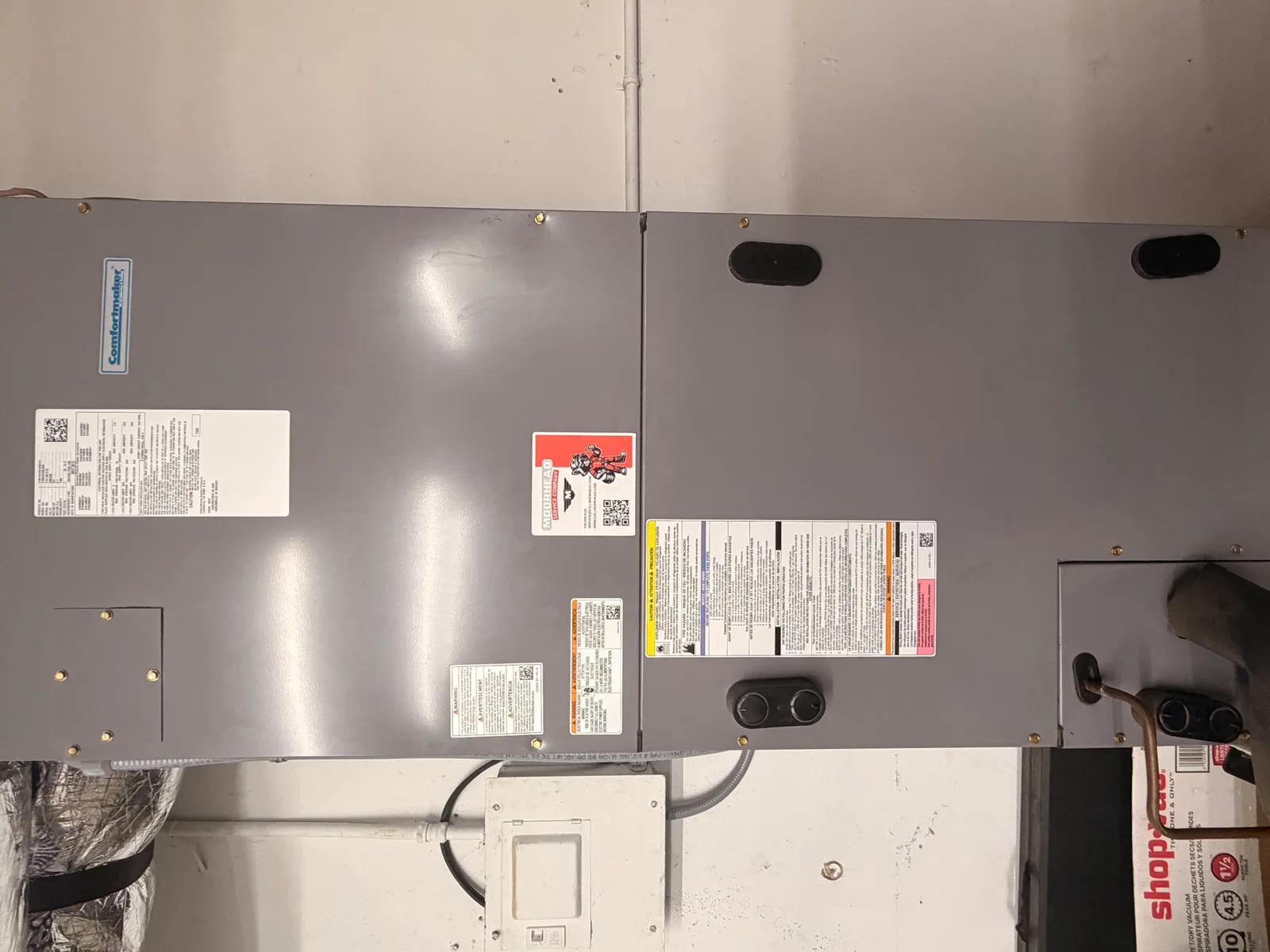
The evaporator coil is cold and wet by design, and the water it pulls out of the air collects in a drain pan below it. Add the dust that rides in on the airflow and you have everything mold needs. Once it takes hold on the coil or in standing drain water, every cycle blows spores into the house. The first sign is usually a musty, basement smell when the system kicks on.
2. A dirty filter recirculating dust and allergens
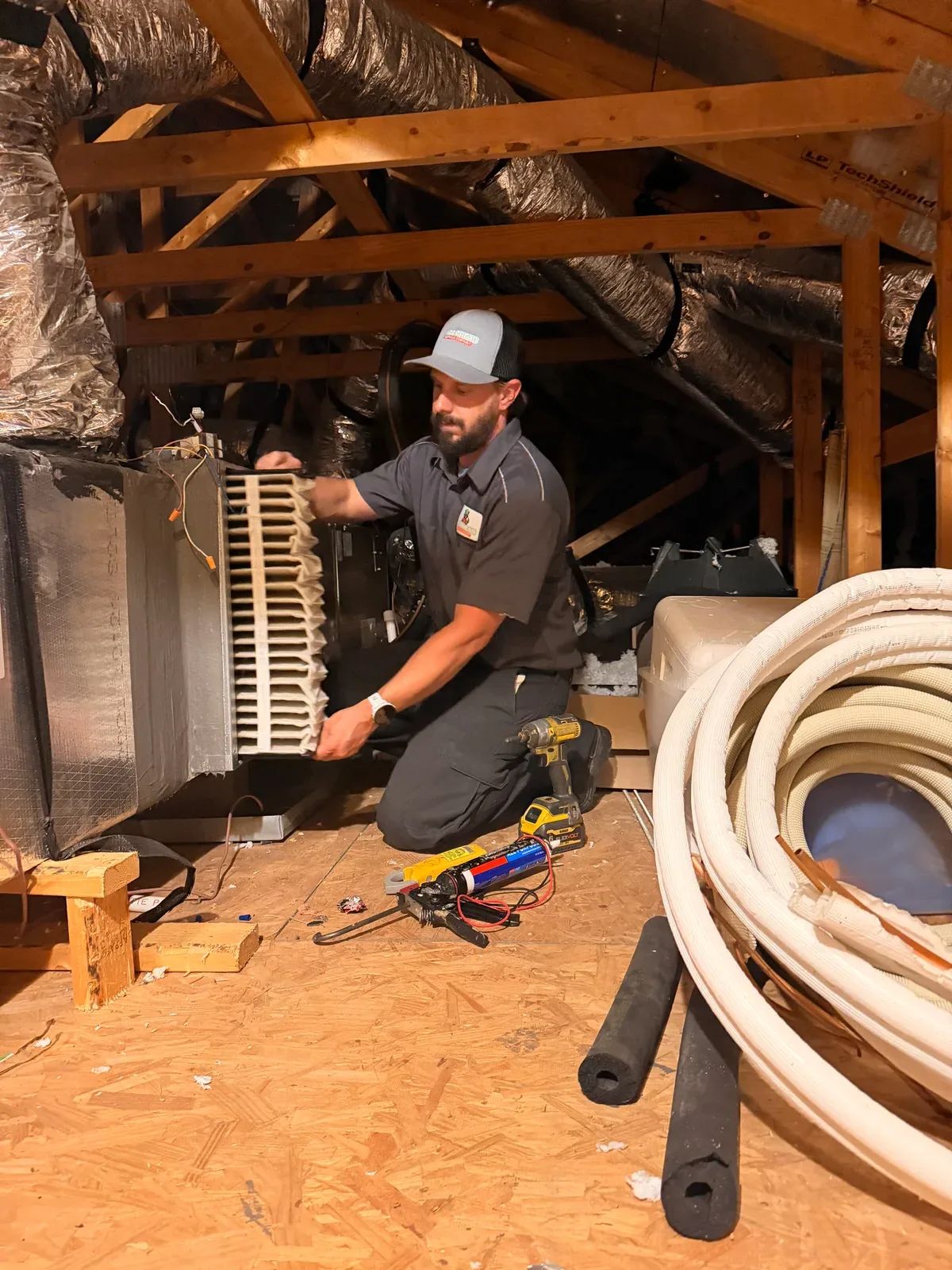
A clogged or cheap filter stops trapping pollen, pet dander, dust-mite debris, and mold spores - and just recirculates them. That is the sneezing, the itchy eyes, the stuffy nose that never quite becomes a cold. Changing it every one to three months, and stepping up to a MERV 11 to 13 filter, is the cheapest air-quality upgrade in the house.
3. Bacteria in standing water
Warm, water-filled spots in an HVAC system - a backed-up drain pan, standing condensate - can grow bacteria, including the one behind Legionnaires' disease. It is not common, but it is the reason a system that keeps water sitting where it should be draining is not just an efficiency problem. Clear drains do not grow things.
4. Dry air drying out your sinuses
This is the opposite failure. Air conditioning pulls moisture out of the air, and when indoor humidity drops below about 30 percent, it dries the membranes in your nose and throat - the same membranes that are supposed to catch what you breathe in. The result is a scratchy throat, thick congestion, dry eyes, and catching every bug going around. Too dry is its own problem, not the cure for too damp.
5. Stale air and temperature shock
A house sealed up tight with the air just recirculating, set ten degrees colder than feels reasonable, leaves some people with headaches, fatigue, and a foggy head. It has a name - sick building syndrome - and the fix is fresh air and a sane setpoint, not a thicker sweater indoors in July.
6. Dirty ductwork blowing it all back at you
Even with a clean coil and a fresh filter, ducts collect dust, dander, and spores over the years and push them back into every room. If the ducts sweat, they can grow mold of their own. This is the part of the system most people never see and never think about.
What it feels like
The symptom list people search is consistent, and it overlaps with allergies on purpose - because the cause is similar:
- Sinus congestion, pressure, postnasal drip, recurring sinus infections
- Coughing, wheezing, a sore or scratchy throat
- Sneezing, runny or stuffy nose, itchy or watery eyes
- Headaches, fatigue, trouble concentrating, dizziness
- Allergies or asthma that suddenly get worse indoors
- A summer cold that will not quit, plus dry skin and dry eyes on the too-dry side
Here is the tell that sorts it out: if your symptoms get worse when the AC is running and ease up when you leave the house, the system is the likely culprit - not the pollen count.
How to tell if it is your AC
Four quick checks before you blame the cedar:
- The smell. A musty or mildew smell when the system runs points straight at mold on the coil or in the ducts.
- The vents. Black or greenish spots around the supply registers are mold you can see.
- The airflow. Weak airflow can mean a clogged filter or a coil that needs cleaning.
- The timing. Track whether you feel worse with the AC on and better away from the house. That pattern is the diagnosis.
How to fix it - and what you can do yourself
Some of this is a Saturday-morning job. Some of it is not. Honestly:
- Clean the coil and drain pan - a pro job, and the core of an AC tune-up. You can flush the condensate drain line yourself every few months.
- Upgrade the filter to MERV 11 to 13 - a DIY swap, just confirm your system can handle the thicker media so you do not choke airflow.
- Clean the ducts if they are loaded or have any mold - that is professional duct cleaning, every three to five years for most homes.
- Add a UV light at the coil to kill mold and bacteria where they start. One honest caveat we will give you: a UV light is a layer, not a substitute for fixing a moisture problem. It helps; it does not excuse a flooded drain pan.
- Control the humidity. A whole-home dehumidifier handles the too-damp Texas side; a humidifier handles the too-dry winter side. The target is that 30 to 50 percent band.
- Add a whole-house air purifier for fine particulate and spores, or an HRV/ERV to bring in fresh air if the house feels stale. See the full indoor air quality options.
Why this hits harder in Central Texas
Down here the AC runs most of the year, so the coil stays cold and wet for months at a stretch - more time for mold than a system that gets a real winter off. Stack on the humidity swings, the cedar in winter, the ragweed in fall, and mold spore counts that spike after rain, and a neglected system has plenty to spread around. The air outside in the Hill Country is hard enough on your sinuses without your AC adding to it.
A schedule that keeps your air clean
| Task | How often |
|---|---|
| Change the air filter | Every 1-3 months (monthly in peak summer) |
| Flush the condensate drain line | Every 3 months |
| Clean the evaporator coil | Once a year (part of a tune-up) |
| Professional tune-up | Twice a year, spring and fall |
| Clean the ductwork | Every 3-5 years, sooner with mold or heavy debris |
The AC is not the problem - the mold, dust, and standing water in a neglected one are. If you feel worse with it running and better when you leave, get the coil, drain, and ducts checked, upgrade the filter, and get the humidity into the 30 to 50 percent range. Clean equipment is the whole game.
Breathing worse in your own house in New Braunfels, Seguin, or anywhere nearby? We will test what is actually in your air and fix it. Call (830) 587-5790 or request a visit online.